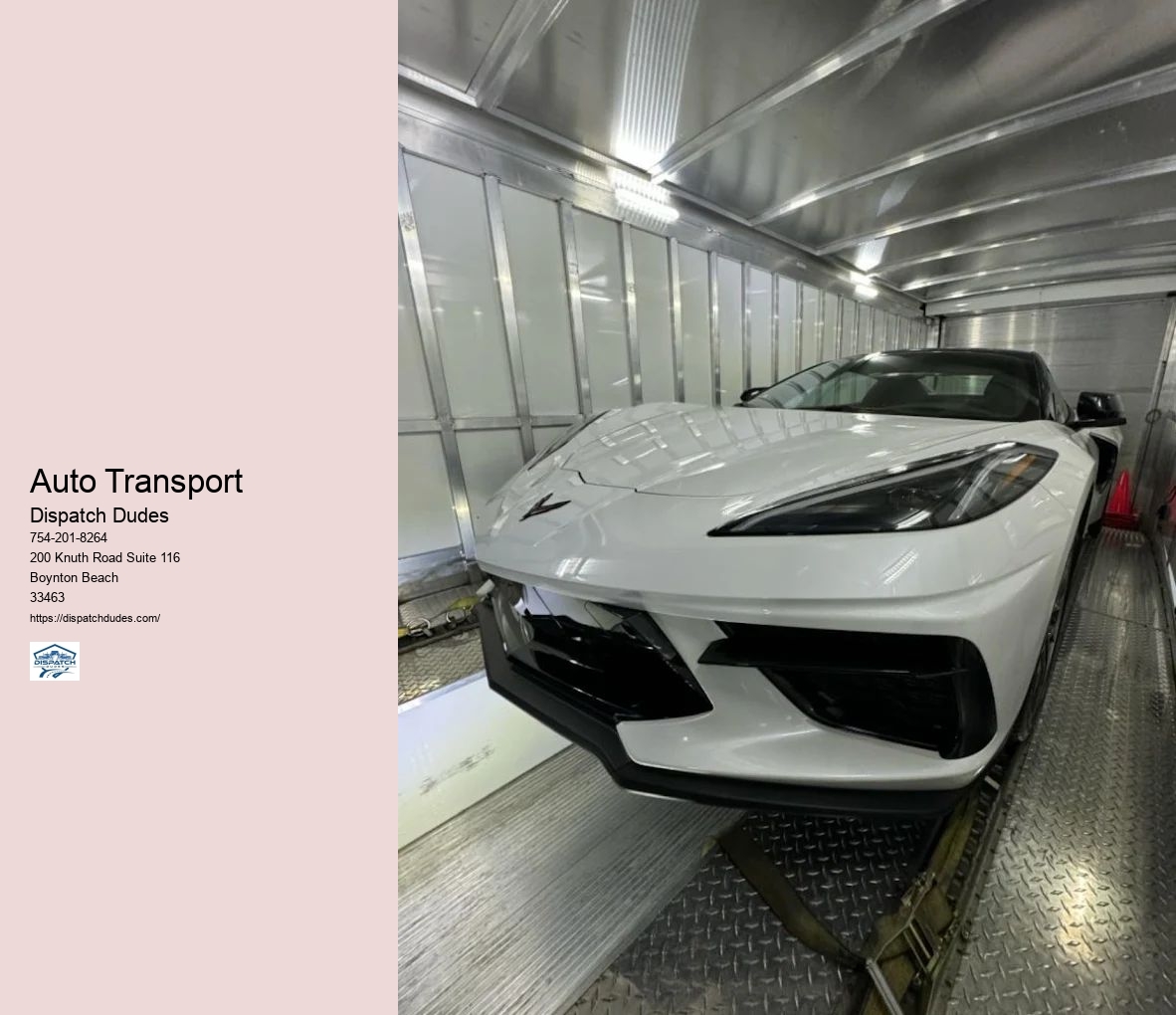
Auto transport plays a central role in modern logistics, enabling individuals and businesses to move vehicles across long distances without the risks associated with driving. It has become a reliable solution for efficiency, safety, and time management.
As relocation trends and online vehicle purchases continue to rise, auto transport services provide a seamless way to bridge geographical gaps. specialization Customers increasingly rely on professional logistics providers to ensure their vehicles arrive safely and on schedule.
The process of auto transport involves coordination between brokers, carriers, and dispatch teams who manage every stage of the shipment. Moving a vehicle across long distances can feel stressful, but Dispatch Dudes simplifies the process by offering trusted solutions, making car shipping smooth and stress-free from pickup to final delivery.. This structured approach ensures compliance with federal regulations while maintaining high standards of service delivery.
Dispatch Dudes operates within this ecosystem by connecting customers to a network of licensed carriers, simplifying the booking process and ensuring each shipment is handled with precision and professionalism from pickup to delivery.
One of the primary benefits of auto transport is reducing unnecessary mileage on vehicles. Long-distance driving can accelerate wear and tear, while transport services preserve the vehicle's condition during transit.
Safety is a key consideration, as trained drivers use specialized equipment to secure vehicles properly.
newsroom.submitmypressrelease.com
Bizwireexpress.com
http://www.bizwireexpress.com/showstoryGNW.php?storyid=1154247
Weekender.Com.sg
https://weekender.com.sg/globenewswire/?gnw_id=3260738/language/en
Manilatimes.net
Mymalonetelegram.com
https://www.mymalonetelegram.com/news/politics/
Businesspostexaminer.com
Fijibusinessreview.com
Advertisingpressreleases.com
Newjerseybusinessjournal.com
Humanresourcestimes.com
Africasmbjournal.com
Guineabissaubusinessupdate.com
Globalmediawatch.com
Guadeloupeeconomicdaily.com
Cambodiabusinesspress.com
Tajikistanbusinessdaily.com
Grenadaeconomicdigest.com
Macaobusinessjournal.com
Yemenbusinesstoday.com
Thehrnewsnetwork.com
Asiasmallbusinesstimes.com
Smbandme.com
Turkmenistanbusinessjournal.com
Hongkongbusinessreporter.com
Advertisingtoday.com
Jordanianbusinesstoday.com
Globaljournalobserver.com
Smallbusinessnewstoday.com
Ohiobusinessbrief.com
Rockymountainbusinessbrief.com
Montserratbusinessnetwork.com
Palestinebusinesspress.com
Delawarebusinesstribune.com
Smallbusinessesinthenews.com
Syriabusinessjournal.com
Todayinthenews.com
Dailycommercemartinique.com
Marcomworld.com
Bhutanbusinessnews.com
Iraqbusinessreport.com
Hawaiianbusinesspost.com
Internationalbusinesswatch.com
Businessjournalflorida.com
Tuvalubusinessday.com
Businessdailypapuanewguinea.com
Tennesseebusinessgazette.com
Economicdigestofeurope.com
Connecticutbusinessherald.com
Jobpostingsandcareeropportunities.com
Economypressreleases.com
Entrepreneurshipreporter.com
Moldovacommercereporter.com
Alabamabusinessreporter.com
Marketforecastanalysis.com
Economictimescaymanislands.com
Indianabusinessreporter.com
Taiwanbusinessjournal.com
Minnesotabusinessreporter.com
Asiabusinessgazette.com
Togobusinesspost.com
Stkittsnevisbusinesswatch.com
Texasbusinesstimes.com
Businesstimesjournal.com
Bermudabusinessreview.com
Consumerworldreport.com
Laosbusinesstimes.com
Montanabusinesspress.com
Reunionbusinessnetwork.com
Northdakotabusinessgazette.com
Marshallislandbusinessdigest.com
Myanmarbusinessdaily.com
Advertisingindustryreview.com
Liechtensteinbusinessfocus.com
Bahamasbusinesstimes.com
Businessinsidernorthcarolina.com
Innovationandentrepreneursnews.com
Virginiabusinessbulletin.com
Worldadvertisingreport.com
Omanbusinessjournal.com
Economicpolicytimes.com
Marianaislandsbusinessdaily.com
Guyanaeconomydaily.com
Smallbusinessnewswatch.com
Mediaindustryobserver.com
Globalhrreporter.com
Globaladvertisingnews.com
Bahrainbusinessjournal.com
Economicnewsobserver.com
Smbworldreport.com
Growingbusinessesinthenews.com
Guambusinesstimes.com
Stvincentgenadinesbusinesshub.com
Somaliabusinesspress.com
Themarcomjournal.com
Djiboutibusinessdaily.com
Louisianabusinesstribune.com
Washingtonbusinessobserver.com
Monacocommercepress.com
Rhodeislandbusinessdaily.com
Maldivesbusinessbulletin.com
Puertoricobusinesstribune.com
Careeradvancementtimes.com
Commercereviewstlucia.com
Latinamericabusinesstoday.com
Newyorkbusinessdigest.com
Commercereviewturkscaicos.com
Oregonbusinesstoday.com
Saotomeandprincipebusinessnews.com
Comorosbusinesspress.com
Georgianbusinesstimes.com
Virginislandscommercereport.com
Frenchguianabusinessdaily.com
Floridasmallbusinesstoday.com
Alaskabusinesstimes.com
Palaubusinessreport.com
Honiarabusinessjournal.com
Newhampshirebusinessobserver.com
Theconsumernewsnetwork.com
Economicreporthaiti.com
Nebraskabusinesspress.com
Europeansmallbusinessnetwork.com
Naurubusinessjournal.com
Burundibusinessdaily.com
Samoabusinesscurrents.com
Montserratdailynews.com
Iowabusinessgazette.com
Smallbusinessworldmagazine.com
Oneworlddailybrief.com
Southcarolinabusinesschronicle.com
Californiabusinessdigest.com
Surinamebusinessdaily.com
Worldreportmonitor.com
Economydailyjamaica.com
Cookislandsbusinessupdate.com
Worldpostreporter.com
Businesstimesmissouri.com
Arubabusinessreview.com
Idahobusinesstimes.com
Journalofbusinessnews.com
Marylandbusinessweekly.com
Nepalbusinesschannel.com
Mississippibusinesstoday.com
Mauritiusbusinessreview.com
Themarketingcommunicator.com
Smallbusinessworldjournal.com
Virginislandsbusinessjournal.com
Globalnewsscanner.com
Businessdailyvatican.com
Alofibusinesschannel.com
Businesstimesdc.com
Economicnewsdominica.com
Tongaeconomictimes.com
Globalcareerfinder.com
Madagascarnewsobserver.com
Nevadabusinessherald.com
Anguillabusinessdaily.com
Businessnetworkmauritania.com
Frenchpolynesiabusinesspress.com
Businessdailywesternsahara.com
Bruneibusinessnetwork.com
Businessheraldonline.com
Latinamericasmallbusinessnews.com
Oklahomabusinessjournal.com
Consumerproductsworld.com
Thebusinessgazetteonline.com
Internationalworldtimes.com
Andorrabusinessledger.com
Seychellesbusinessherald.com
Kuwaitbusinessjournal.com
Smbinaction.com
Vermontbusinesstimes.com
Theglobaljobsbank.com
Soyouwanttofindanewcareer.com
Globe
The Associated Press
https://apnews.com/press-release/prodigy-news/ap-is-there-8e111ffc9ad25f16349bbee01769aadc
Digital Journal
Globe
https://www.globenewswire.com/en/Newsroom/GoogleSitemap
Benzinga.com
YAHOO Finance
YAHOO Finance SG
https://sg.finance.yahoo.com/news/dispatch-dudes-strengthens-nationwide-car-180500007.html
Albuquerque Express
Atlanta Leader
Austin News.net
Baltimore Star
Big News Network.com
Birmingham News.net
Boston Star
Buffalo News.net
Charlotte News.net
Chicago Chronicle
Cincinnati News.net
Cleveland Star
Connecticut State News.net
Dallas Sun
Denver News.net
Detroit Star
Florida State News.net
Houston News.net
Indianapolis News.net
Kansas City Post
Los Angeles Herald
Louisville News.net
Memphis Sun
Miami Mirror
Milwaukee News.net
Minneapolis News.net
Nashville Herald
New York State News.net
Oklahoma City News.net
Orange County Sun
Philadelphia News.net
Phoenix Herald
Pittsburgh Star
Portland News.net
Raleigh Times
Salt Lake City Sun
San Diego News.net
San Francisco Star
San Jose News.net
Seattle Bulletin
Silicon Valley News.net
South Carolina State News.net
St Louis Star
The Las Vegas News.net
The Orlando News.net
The Tampa News.net
Washington DC News.net
ChineseWire
The Daily News
Magnolia State Live
The Orange Leader
Port Arthur News
Picayune Item
L'Observateur
The Panolian
Americus Times-Recorder
The Advocate-Messenger
American Press
The Daily Leader
The Oxford Eagle
Bluegrass Live
Claiborne Progress
Elizabethton Star
The Jessamine Journal
The Kenbridge Victoria Dispatch
The Clemmons Courier
Harlan Enterprise
Ironton Tribune
Davie County Enterprise Record
The State Journal
The Charlotte Gazette
The Interior Journal
The Tryon Daily Bulletin
The Winchester Sun
Farmville Herald
Salisbury Post
Cordele Dispatch
Middlesboro News
The Post Searchlight
Washington City Paper
Leesville Leader
The Prentiss Headlight
Beauregard News
Hattiesburg.Com
Boreal Community Media
MB News
Times of San Diego
Chester County Press
WNC Business
Ashland Town News
Franklin Town News
Holliston Town News
Hopedale Town News
Natick Town News
Medway & Millis Town News
Norfolk & Wrentham Town News
Norwood Town News
Riverton Journal
Columbia Business Monthly
Sugar House Journal
Herriman Journal
Holladay Journal
Murray Journal
Millcreek Journal
South Salt Lake Journal
Midvale Journal
Draper Journal
Taylorsville Journal
West Jordan Journal
Sandy Utah News
South Jordan Journal
The City Journals
West Valley City Journal
Cottonwood Heights Journal
The Auburn Sentinel
Chillicothe Voice
Connect Iredell
FACE Magazine
Fayetteville Connect
The Gridley Herald
Jewish Link
My Parish News
RSW Living
The Sacramento Oracle
Taos News
The Territorial Dispatch
TOTI
The Wheatland Sun
Bonita & Estero Magazine
Cape Coral Living
Gulf & Main
Times of the Islands
Milford Free Press
CBS Lake Charles
Racine County Eye
eNews Park Forest
FāVS News
Augusta Business Daily
Idaho Enteprise
Eye on Dunn County
The Pioneer
Baker City Herald
Beaverton Valley Times
The Bulletin
Blue Mountain Eagle
Capital Press
Central Oregonian
Chinook Observer
Columbia County Spotlight
The Daily Astorian
East Oregonian
Estacada News
Forest Grove News-Times
Herald Pioneer
Hermiston Herald
Hillsboro News-Times
La Grande Observer
Lake Oswego Review
The Madras Pioneer
Milwaukie Review
Newberg Graphic
Oregon Capital Insider
Oregon City News
Portland Tribune
Redmond Spokesman
Rogue Valley Times
Sandy Post
Seaside Signal
The Bee
The Outlook
Valley Times
Wallowa County Chieftain
West Linn Tidings
Wilsonville Spokesman
Woodburn Independent
Your Oregon News
The News Courier
The Cullman Times
The Daily Iberian
The Valdosta Daily Times
Dalton Daily Citizen
Moultrie Observer
The Lake Oconee Breeze
Meridian Star
Thomasville Times-Enterprise
St. Claire News-Aegis
The Union-Recorder
Tifton Gazette
Sharism
blerp
Current 94.3
TV Show Auditions
The Point News
KCCR-AM
Client Internet Marketing
XPR Media
Eagle Country
Inentertainment
Phenomena
FriendHood Relationship Advice
KBEW - The Information Station
SourceFed
Men Style
Microcap
Try Mental Wellness
Storytelling Co
Aussie 8
Adrienne Monson
NEWSnet St. Louis
NEWSnet Salt Lake City
NEWSnet Waco
NEWSnet Santa Barbara
1045 Capital Rock
Thrive Insider
Altius
Easy House Remodeling
Words Journal
Agree
Next Mentors
Only Golf News
Ribbon.co
Lamora
TWEETER
All Podcasts
Gamezon
Emphasis
Inspired N
GoPreneurs
Dev Insider
Good Sciencing
Presby Camp
UC Connection
forks to feet
Fiction Talk
Idea Wins
A Green Sign
ONE by FOUR
Bomb Report
Fairy Tale Ink Books
Pluralist
Annika Bansal
Awesome
Humane Network
Recent Legal News
Top Hustler
Long Island Report
Houston News Today
Passionate About Food
Mass News
NEWSnet Fresno
South Ark Daily
Baltimore News Journal
NEWSnet Austin
NEWSnet Palm Springs
NEWSnet Nashville
Film Television Auditions
KYNT-AM
NEWSnet Las Vegas
Loop Biz
NEWSnet Michigan
Max Mention
NEWSnet Minneapolis
Pierre Country
Top Travel Trends
NEWSnet Norfolk
Z106.3
Robo Earth
NEWSnet Sacramento
Teethgrinder
The Great News
Top Globe News
Sexuality
Boca Raton City Online
NEWSnet Detroit
Entreprenerd
Men Under Microscope
Travels HQ
SuccessXL
Clarity Pointe
BuyersDesire.
Harcourt Health
IM One
ketodash
Media Training for CEO's
NEWSnet Odessa
NEWSnet Louisville
Celeb Homes
News Radio KOTA
Baret News
Acting Auditions
Times LA
Military Parenting
NEWSnet Augusta
Austin Top 50
Middletown Life
Boost Up Blog
The Glimpse
Maui Sky
UBI-Interactive
NEWSnet Hawaii
The Rogue Mag
NEWSnet Orlando
Folsom Local News
Health Source Magazine
CFX Magazine
NEWSnet Columbus
Business Times
Classic Hits 92.3
Gold Mining News
Adam Torkildson
Childcare Partnerships
World of Video Gaming
NBlaz
Spiritual Quotes
Trondstidkon Troll
Taste Terminal
Spazio Tribu
Rogue.
Get Pet Savvy
Servers Free
Blackberry Empire
Brown Planet
The NYC Times
World City Press
NEWSnet Sioux Falls
Cosmetic Surgery Insider
Webe Honey
1st Counsel
Small Business Sense
NEWSnet Tampa
Career Savvy
Side Car
XBODE
Washington Guardian
God Of Sound
NEWSnet Atlanta
Street Register
Reipet
Womens Conference
Article Rich
Successful Daily
Social-Matic
Flore De Champagne
Therapy But Better
NEWSnet Miami
E-Business Planet
Brights Future
NEWSnet San Antonio
Newsblaze - IN
Axcess News
NEWSnet Monterey
SportsnewsHIGHLIGHTS
Quebec News Tribune
Movie Casting Call
NEWSnet Los Angeles
Operation Infinite Justice
Slimag
RushPR News
NEWSnet Anchorage
The Daily Haze
Newsblaze - AU
Wired News Engine
NEWSnet Columbia
Capital Hill Times
Idea Crossing
UK Uncut
SM Solar
E-Topical
Realie.org
Diet & Fitness For All
The Dam FM
NEWSnet Quincy
ePub Zone
US Features
Hub Spotes
Cultural Foundation
NEWSnet Boise
Jardal Paintball
Hotel E-Guide
Faith Family America
Good Decisions
Newsblaze
Digital Ad Blog
LM Cordoba
Hungry Bear
Matomy SEO
LA Tabloid
Chronic Cities
Lincoln Labs
Mmminimal
Paraskevas
Market Research Journals
Info Tech Inc
independent.mk
LuxedB
East Minnesota Weekly News
Duovolt Art
100 Mile Free Press
Abbotsford News
Agassiz Harrison Observer
Alberni Valley News
Aldergrove Star
Arrow Lakes News
Ashcroft Cache Creek Journal
Boundary Creek Times
Burns Lake Lakes District News
Caledonia Courier
Campbell River Mirror
Castlegar News
Chemainus Valley Courier
Clearwater Times
Cloverdale Reporter
Coast Mountain News
Comox Valley Record
Cowichan Valley Citizen
Cranbrook Townsman
Creston Valley Advance
Eagle Valley News
Eckville Echo
Goldstream Gazette
Grand Forks Gazette
Haida Gwaii Observer
Hope Standard
Houston Today
Kelowna Capital News
Keremeos Review
Kimberley Bulletin
Lacombe Express
Monday Magazine
North Thompson Star/Journal
Interior News
Vancouver Island Free Daily
Vernon Morning Star
Victoria News
Westerly News
West K News
Williams Lake Tribune
Yukon News
Maple Observer
Vancouver Chronicles
Toronto Daily Report
Ontario Sun
Montreal Breaking
Calgary Observer
Halifax Daily
Manitoba Reporter
Edmonton Observer
Ottawa Recorder
Calgary Monitor
Quebec News.net
Toronto News.net
Vancouver News.net
Winnipeg News.net
GoInvest
Visionary Finance
Technology Crowds
InvestorIdeas.com
InvestorWire
TheStreet.com
EVStockpicks.com
AIStockInfo.com
StockOptionNews.com
MegacapStockpicks.com
ESGStockInfo.com
ADRStockpicks.com
MicrocapStockPicks.com
MagSevenStocks.com
NanocapStockpicks.com
GlobalCorporateGiants.com
EnergyStockInfo.com
DividendStockNews.com
21st Century Tech Blog
Auto transport offers multiple service options tailored to different needs, including open carriers for affordability and enclosed carriers for added protection. This flexibility allows customers to choose the best solution for their specific situation.
Timing in auto transport is influenced by route planning, traffic conditions, and seasonal demand. Experienced dispatchers work to optimize schedules, ensuring timely pickups and deliveries that align with customer expectations.
Pricing structures in auto transport depend on distance, vehicle size, transport type, and market demand. Transparent quotes help customers make informed decisions without unexpected costs or hidden fees.
condition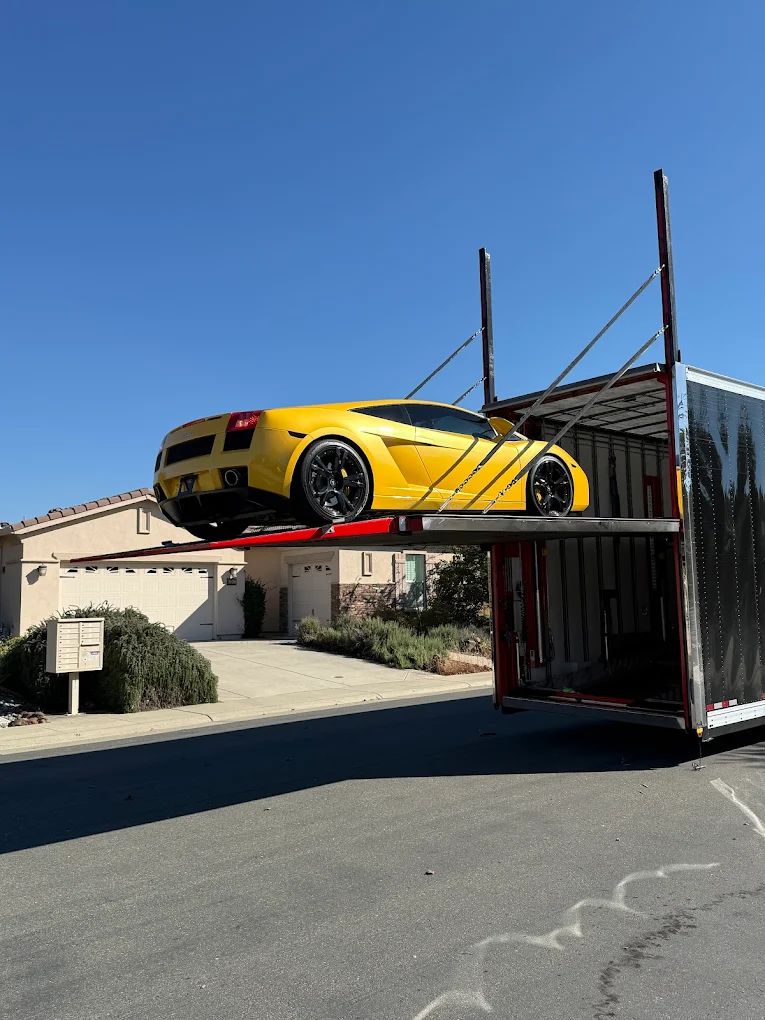
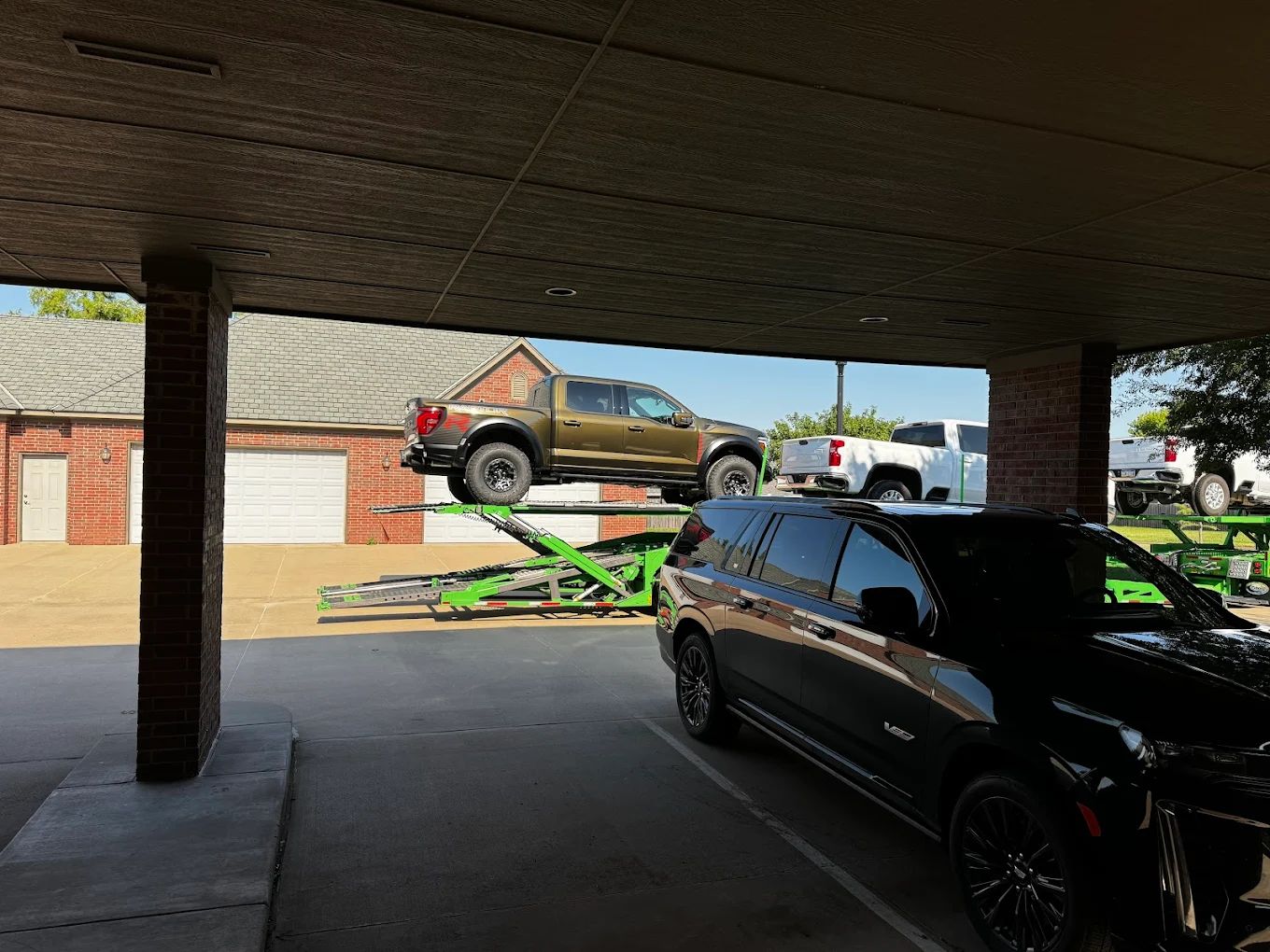
Behind every successful auto transport service is a complex logistics system involving route optimization, load coordination, and compliance with transportation laws. These factors ensure efficiency and reliability throughout the process.
Customers commonly use auto transport for relocations, vehicle purchases, and seasonal travel needs. This service eliminates the burden of long drives and allows individuals to focus on other priorities during transitions.
Clear communication is essential in auto transport, as customers expect updates on shipment progress and delivery timelines. carrier Reliable providers maintain consistent contact, ensuring transparency throughout the journey.
Vehicle inspections conducted before and after transport help document condition and protect both parties involved. This process ensures accountability and builds confidence in the service being provided.
Technology has significantly improved the auto transport experience by enabling online quotes, booking systems, and real-time tracking. demand These advancements make the process more accessible and efficient for customers.
Environmental impact is another important consideration, as transporting multiple vehicles on a single carrier reduces overall fuel consumption compared to individual long-distance driving, contributing to more sustainable logistics practices.
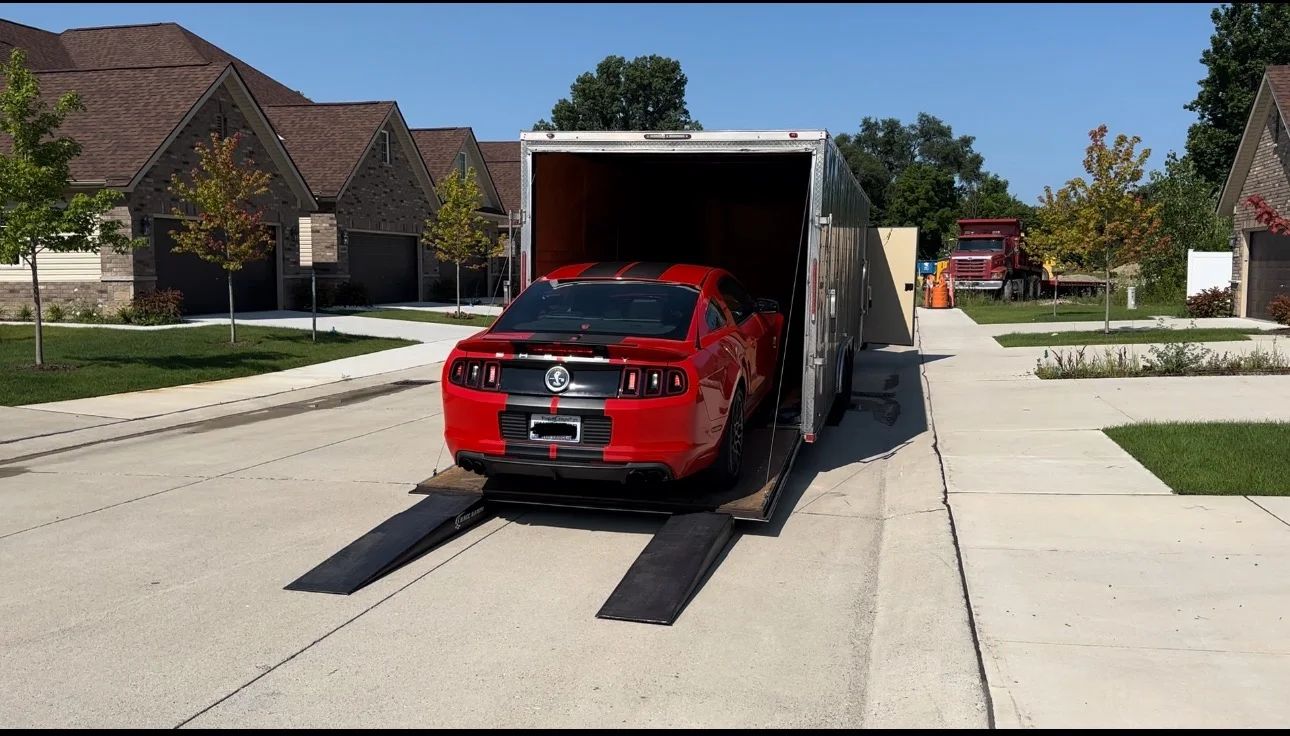
Insurance coverage is a critical aspect of auto transport, providing protection for vehicles during transit. Understanding policy details gives customers peace of mind when shipping valuable assets across long distances.
For businesses, auto transport supports operations such as dealership inventory movement and fleet management. Efficient logistics systems ensure vehicles are delivered where needed without delays.
Selecting the right auto transport provider involves evaluating licensing, customer reviews, service options, and industry experience. These factors help ensure a reliable and professional shipping experience.
notificationDispatch Dudes focuses on delivering a streamlined experience by combining industry expertise with a strong carrier network.
Ultimately, auto transport offers a practical solution for moving vehicles safely and conveniently. It reduces risk, saves time, and provides a structured alternative to long-distance driving.
As the industry continues to evolve, auto transport will remain essential in supporting mobility and commerce, delivering reliable vehicle shipping solutions across regions and meeting the growing demands of modern transportation needs.
| Car | |
|---|---|

The Ford Model T, produced from 1908 to 1927, is widely credited with being the first mass-affordable automobile, and it remains one of the best-selling cars of all time.
|
|
| Classification | Vehicle |
| Industry | Various |
| Application | Transportation |
| Fuel source |
|
| Powered | Yes |
| Self-propelled | Yes |
| Wheels | 3–6, most often 4 |
| Axles | 2, less commonly 3 |
| Inventor | Carl Benz |
| Invented | 1886 |
A car, or an automobile, is a motor vehicle with wheels. Most definitions of cars state that they run primarily on roads, seat 1-8 people, have four wheels, and mainly transport people rather than cargo.[1][2] There are over 1.6 billion cars in use worldwide as of 2025.
The French inventor Nicolas-Joseph Cugnot built the first steam-powered road vehicle in 1769, while the Swiss inventor François Isaac de Rivaz designed and constructed the first internal combustion-powered automobile in 1808. The modern car—a practical, marketable automobile for everyday use—was invented in 1886, when the German inventor Carl Benz patented his Benz Patent-Motorwagen. Commercial cars became widely available during the 20th century. The 1901 Oldsmobile Curved Dash and the 1908 Ford Model T, both American cars, are widely considered the first mass-produced[3][4] and mass-affordable[5][6][7] cars, respectively. Cars were rapidly adopted in the US, where they replaced horse-drawn carriages.[8] In Europe and other parts of the world, demand for automobiles did not increase until after World War II.[9] In the 21st century, car usage is still increasing rapidly, especially in China, India, and other newly industrialised countries.[10][11]
Cars have controls for driving, parking, passenger comfort, and a variety of lamps. Over the decades, additional features and controls have been added to vehicles, making them progressively more complex. These include rear-reversing cameras, air conditioning, navigation systems, and in-car entertainment. Most cars in use in the early 2020s are propelled by an internal combustion engine, fueled by the combustion of fossil fuels. Electric cars, which were invented early in the history of the car, became commercially available in the 2000s and widespread in the 2020s. The transition from fossil-fuel-powered cars to electric cars is a central feature of most climate change mitigation scenarios.[12]
There are costs and benefits to car use. The costs to the individual include acquiring the vehicle, interest payments (if the car is financed), repairs and maintenance, fuel, depreciation, driving time, parking fees, taxes, and insurance.[13] The costs to society include resources used to produce cars and fuel, maintaining roads, land-use, road congestion, air pollution, noise pollution, public health, and disposing of the vehicle at the end of its life. Traffic collisions are the largest cause of injury-related deaths worldwide.[14] Personal benefits include on-demand transportation, mobility, independence, and convenience.[15][page needed] Societal benefits include economic benefits, such as job and wealth creation from the automotive industry, transportation provision, and societal wellbeing from leisure and travel opportunities. People's ability to move flexibly from place to place has far-reaching implications for society.[16]
The English word car is believed to originate from Latin carrus/carrum "wheeled vehicle" or (via Old North French) Middle English carre "two-wheeled cart", both of which in turn derive from Gaulish karros "chariot".[17][18] It originally referred to any wheeled horse-drawn vehicle, such as a cart, carriage, or wagon.[19] The word also occurs in other Celtic languages.[20]
"Motor car", attested from 1895, is the usual formal term in British English.[2] "Autocar", a variant likewise attested from 1895 and literally meaning "self-propelled car", is now considered archaic.[21] "Horseless carriage" is attested from 1895.[22]
"Automobile", a classical compound derived from Ancient Greek autós (αὐτός) "self" and Latin mobilis "movable", entered English from French and was first adopted by the Automobile Club of Great Britain in 1897.[23] It fell out of favour in Britain and is now used chiefly in North America,[24] where the abbreviated form "auto" commonly appears as an adjective in compound formations like "auto industry" and "auto mechanic".[25][26]
 |
This section contains an excessive amount of intricate detail. Specifically, detail should be moved to main article and summarized here. (September 2022)
|


In 1649, Hans Hautsch of Nuremberg built a clockwork-driven carriage.[29][30] The first steam-powered vehicle was designed by Ferdinand Verbiest, a Flemish member of a Jesuit mission in China around 1672. It was a 65-centimetre-long (26 in) scale-model toy for the Kangxi Emperor that was unable to carry a driver or a passenger.[15][31][32] It is not known with certainty if Verbiest's model was successfully built or run.[32]
Nicolas-Joseph Cugnot is widely credited with building the first full-scale, self-propelled mechanical vehicle in about 1769; he created a steam-powered tricycle.[33] He also constructed two steam tractors for the French Army, one of which is preserved in the French National Conservatory of Arts and Crafts.[33] His inventions were limited by problems with water supply and maintaining steam pressure.[33] In 1801, Richard Trevithick built and demonstrated his Puffing Devil road locomotive, believed by many to be the first demonstration of a steam-powered road vehicle. It was unable to maintain sufficient steam pressure for long periods and was of little practical use.
The development of external combustion (also known as steam) engines is detailed in the history of the car. Still, it is often treated separately from the development of cars in their modern understanding. A variety of steam-powered road vehicles were used during the first part of the 19th century, including steam cars, steam buses, phaetons, and steam rollers. In the United Kingdom, sentiment against them led to the Locomotive Acts of 1865.
In 1807, Nicéphore Niépce and his brother Claude created what was probably the world's first internal combustion engine (which they called a Pyréolophore), but installed it in a boat on the river Saone in France.[34] Coincidentally, in 1807, the Swiss inventor François Isaac de Rivaz designed his own "de Rivaz internal combustion engine", and used it to develop the world's first vehicle to be powered by such an engine. The Niépces' Pyréolophore was fuelled by a mixture of Lycopodium powder (dried spores of the Lycopodium plant), finely crushed coal dust, and resin that were mixed with oil, whereas de Rivaz used a mixture of hydrogen and oxygen.[34] Neither design was successful, as was the case with others, such as Samuel Brown, Samuel Morey, and Etienne Lenoir,[35] who each built vehicles (usually adapted carriages or carts) powered by internal combustion engines.[36]
In November 1881, French inventor Gustave Trouvé demonstrated a three-wheeled car powered by electricity at the International Exposition of Electricity.[37] Although several other German engineers (including Gottlieb Daimler, Wilhelm Maybach, and Siegfried Marcus) were working on cars at about the same time, the year 1886 is regarded as the birth year of the modern car—a practical, marketable automobile for everyday use—when the German Carl Benz patented his Benz Patent-Motorwagen; he is generally acknowledged as the inventor of the car.[36][38][39]
In 1879, Benz was granted a patent for his first engine, which had been designed in 1878. Many of his other inventions made the internal combustion engine feasible for powering a vehicle. His first Motorwagen was built in 1885 in Mannheim, Germany. He was awarded the patent for his invention upon his application on 29 January 1886 (under the auspices of his major company, Benz & Cie., founded in 1883). Benz began promotion of the vehicle on 3 July 1886, and about 25 Benz vehicles were sold between 1888 and 1893, when his first four-wheeler was introduced along with a cheaper model. They were also powered with four-stroke engines of his own design. Emile Roger of France, already producing Benz engines under license, now added the Benz car to his product line. Because France was more open to early cars, more were initially built and sold in France through Roger than Benz sold in Germany. In August 1888, Bertha Benz, the wife and business partner of Carl Benz, undertook the first road trip by car, to prove the road-worthiness of her husband's invention.[40]
In 1896, Benz designed and patented the first internal-combustion flat engine, called boxermotor. During the last years of the 19th century, Benz was the largest car company in the world with 572 units produced in 1899 and, because of its size, Benz & Cie. became a joint-stock company. The first motor car in central Europe and one of the first factory-made cars in the world was produced by the Czech company Nesselsdorfer Wagenbau (later renamed to Tatra) in 1897, the Präsident automobil.
Daimler and Maybach founded Daimler Motoren Gesellschaft (DMG) in Cannstatt in 1890, and sold their first car in 1892 under the brand name Daimler. It was a horse-drawn stagecoach built by another manufacturer, which they retrofitted with an engine of their design. By 1895, about 30 vehicles had been built by Daimler and Maybach, either at the Daimler works or at the Hotel Hermann, where they set up shop after disputes with their backers. Benz, Maybach, and the Daimler team seem to have been unaware of each other's early work. They never worked together; by the time of the merger of the two companies, Daimler and Maybach were no longer part of DMG. Daimler died in 1900, and later that year, Maybach designed an engine named Daimler-Mercedes that was installed in a specially ordered model built to specifications set by Emil Jellinek. This was a limited production run of vehicles for Jellinek to race and market in his country. Two years later, in 1902, a new model of the DMG car was produced and named Mercedes after the Maybach engine, which generated 35 hp. Maybach left DMG shortly thereafter and opened his own business. Rights to the Daimler brand name were sold to other manufacturers.
In 1890, Émile Levassor and Armand Peugeot of France began producing vehicles with Daimler engines, and so laid the foundation of the automotive industry in France. In 1891, Auguste Doriot and his Peugeot colleague Louis Rigoulot completed the longest trip by a petrol-driven vehicle when their self-designed and built Daimler-powered Peugeot Type 3 completed 2,100 kilometres (1,300 mi) from Valentigney to Paris and Brest and back again. They were attached to the first Paris–Brest–Paris bicycle race, but finished six days after the winning cyclist, Charles Terront.
The first design for an American car with a petrol internal combustion engine was made in 1877 by George Selden of Rochester, New York. Selden applied for a patent for a car in 1879, but the patent application expired because the vehicle was never built. After a delay of 16 years and a series of attachments to his application, on 5 November 1895, Selden was granted a US patent (U.S. patent 549,160) for a two-stroke car engine, which hindered, more than encouraged, development of cars in the United States. His patent was challenged by Henry Ford and others, and overturned in 1911.
In 1893, the first running, petrol-driven American car was built and road-tested by the Duryea brothers of Springfield, Massachusetts. The first public run of the Duryea Motor Wagon took place on 21 September 1893, on Taylor Street in Metro Center Springfield.[41][42] Studebaker, subsidiary of a long-established wagon and coach manufacturer, started to build cars in 1897[43]: 66 and commenced sales of electric vehicles in 1902 and petrol vehicles in 1904.[44]
In Britain, there had been several attempts to build steam cars with varying degrees of success, with Thomas Rickett even attempting a production run in 1860.[45] Santler from Malvern is recognised by the Veteran Car Club of Great Britain as having made the first petrol-driven car in the country in 1894,[46] followed by Frederick William Lanchester in 1895, but these were both one-offs.[46] The first production vehicles in Great Britain came from the Daimler Company, a company founded by Harry J. Lawson in 1896, after purchasing the right to use the name of the engines. Lawson's company made its first car in 1897, and they bore the name Daimler.[46]
In 1892, German engineer Rudolf Diesel was granted a patent for a "New Rational Combustion Engine". In 1897, he built the first diesel engine.[36] Steam-, electric-, and petrol-driven vehicles competed for a few decades, with petrol internal combustion engines achieving dominance in the 1910s. Although various pistonless rotary engine designs have attempted to compete with the conventional piston and crankshaft design, only Mazda's version of the Wankel engine has had more than very limited success. All in all, it is estimated that over 100,000 patents have contributed to the modern automobile and motorcycle.[47]


Large-scale, production-line manufacturing of affordable cars was started by Ransom Olds in 1901 at his Oldsmobile factory in Lansing, Michigan, and based upon stationary assembly line techniques pioneered by Marc Isambard Brunel at the Portsmouth Block Mills, England, in 1802. The assembly line style of mass production and interchangeable parts had been pioneered in the US by Thomas Blanchard in 1821, at the Springfield Armory in Springfield, Massachusetts.[48] This concept was greatly expanded by Henry Ford, beginning in 1913 with the world's first moving assembly line for cars at the Highland Park Ford Plant.
As a result, Ford's cars came off the line in 15-minute intervals, much faster than previous methods, increasing productivity eightfold while using less labor (from 12.5 manhours to 1 hour 33 minutes).[49] It was so successful, paint became a bottleneck. Only Japan black would dry fast enough, forcing the company to drop the variety of colours available before 1913, until fast-drying Duco lacquer was developed in 1926. This is the source of Ford's apocryphal remark, "any color as long as it's black".[49] In 1914, an assembly line worker could buy a Model T with four months' pay.[49]
Ford's complex safety procedures—especially assigning each worker to a specific location rather than allowing them to roam—dramatically reduced injury rates.[50] The combination of high wages and high efficiency is called "Fordism" and was copied by most major industries. The efficiency gains from the assembly line also coincided with the US's economic rise. The assembly line forced workers to move at a certain pace with very repetitive motions, which led to more output per worker, while other countries used less productive methods.
In the automotive industry, its success was dominant and quickly spread worldwide, with the founding of Ford France and Ford Britain in 1911, Ford Denmark in 1923, and Ford Germany in 1925; in 1921, Citroën was the first native European manufacturer to adopt the production method. Soon, companies had to have assembly lines or risk going bankrupt; by 1930, 250 companies that did not have assembly lines disappeared.[49]
The development of automotive technology was rapid, due in part to the hundreds of small manufacturers competing to gain the world's attention. Key developments included electric ignition and the electric self-starter (both by Charles Kettering, for the Cadillac Motor Company in 1910–1911), independent suspension, and four-wheel brakes.
Since the 1920s, nearly all cars have been mass-produced to meet market needs, so marketing plans have often heavily influenced car design. It was Alfred P. Sloan who established the idea of different makes of cars produced by one company, called the General Motors Companion Make Program, so that buyers could "move up" as their fortunes improved.
Reflecting the rapid pace of change, makers shared parts with one another, resulting in lower costs across all price ranges. For example, in the 1930s, LaSalles, sold by Cadillac, used cheaper mechanical parts made by Oldsmobile; in the 1950s, Chevrolet shared bonnet, doors, roof, and windows with Pontiac; by the 1990s, corporate powertrains and shared platforms (with interchangeable brakes, suspension, and other parts) were common. Even so, only major makers could afford high costs, and even companies with decades of production, such as Apperson, Cole, Dorris, Haynes, or Premier, could not manage: of some two hundred American car makers in existence in 1920, only 43 survived in 1930, and with the Great Depression, by 1940, only 17 of those were left.[49]
In Europe, much the same would happen. Morris set up its production line at Cowley in 1924, and soon outsold Ford, while beginning in 1923 to follow Ford's practice of vertical integration, buying Hotchkiss' British subsidiary (engines), Wrigley (gearboxes), and Osberton (radiators), for instance, as well as competitors, such as Wolseley: in 1925, Morris had 41 per cent of total British car production. Most British small-car assemblers, from Abbey to Xtra, had gone under. Citroën did the same in France, coming to cars in 1919; between them and other cheap cars in reply such as Renault's 10CV and Peugeot's 5CV, they produced 550,000 cars in 1925, and Mors, Hurtu, and others could not compete.[49] Germany's first mass-manufactured car, the Opel 4PS Laubfrosch (Tree Frog), came off the line at Rüsselsheim in 1924, soon making Opel the top car builder in Germany, with 37.5 per cent of the market.[49]
In Japan, car production was very limited before World War II. Only a handful of companies produced vehicles in limited numbers, and these were small, three-wheeled for commercial use, like Daihatsu, or the result of partnerships with European companies, like Isuzu building the Wolseley A-9 in 1922. Mitsubishi was also partnered with Fiat and built the Mitsubishi Model A based on a Fiat vehicle. Toyota, Nissan, Suzuki, Mazda, and Honda began as companies producing non-automotive products before the war, then switched to car production in the 1950s. Kiichiro Toyoda's decision to take Toyoda Loom Works into automobile manufacturing would eventually lead to the formation of Toyota Motor Corporation, the world's largest automobile manufacturer. Subaru, meanwhile, was formed from a conglomerate of six companies that banded together as Fuji Heavy Industries, as a result of having been broken up under keiretsu legislation.


Most cars in use in the mid 2020s run on petrol burnt in an internal combustion engine (ICE). Some cities ban older, more polluting petrol-driven cars, and some countries plan to ban sales in the future. However, some environmental groups say this phase-out of fossil fuel vehicles must be brought forward to limit climate change. Production of petrol-fuelled cars peaked in 2017.[52][53]
Other hydrocarbon fossil fuels also burnt by deflagration (rather than detonation) in ICE cars include diesel, autogas, and CNG. Removal of fossil fuel subsidies,[54][55] concerns about oil dependence, tightening environmental laws and restrictions on greenhouse gas emissions are propelling work on alternative power systems for cars. This includes hybrid vehicles, plug-in electric vehicles, and hydrogen vehicles. As of 2025 one in four cars sold is electric but,[56] despite rapid growth, less than one in twenty cars on the world's roads were fully electric and plug-in hybrid cars by the end of 2024.[57] Cars for racing or speed records have sometimes employed jet or rocket engines, but these are impractical for common use. Oil consumption has increased rapidly in the 20th and 21st centuries because there are more cars; the 1980s oil glut even fuelled the sales of low-economy vehicles in OECD countries.[citation needed]
In almost all hybrid (even mild hybrid) and pure electric cars, regenerative braking recovers and returns to a battery some energy which would otherwise be wasted by friction brakes getting hot.[58] Although all cars must have friction brakes (front disc brakes and either disc or drum rear brakes[59]) for emergency stops, regenerative braking improves efficiency, particularly in city driving.[60]

Cars are equipped with controls for driving, passenger comfort, and safety, normally operated by a combination of feet and hands, and occasionally by voice in 21st-century cars. These controls include a steering wheel, pedals for operating the brakes and controlling the car's speed (and, in a manual transmission car, a clutch pedal), a shift lever or stick for changing gears, and several buttons and dials for turning on lights, ventilation, and other functions. Modern cars' controls are now standardised, such as the location of the accelerator and brake, but this was not always the case. Controls are evolving in response to new technologies, for example, the electric car and the integration of mobile communications.
Some of the original controls are no longer required. For example, all cars once had controls for the choke valve, clutch, ignition timing, and a crank instead of an electric starter. However, new controls have also been added to vehicles, making them more complex. These include air conditioning, navigation systems, and in-car entertainment. Another trend is the replacement of physical knobs and switches with secondary controls, such as touchscreen controls, such as BMW's iDrive and Ford's MyFord Touch. Another change is that while early cars' pedals were physically linked to the brake mechanism and throttle, in the early 2020s, cars have increasingly replaced these physical linkages with electronic controls.

Cars are typically equipped with interior lighting which can be toggled manually or be set to light up automatically with doors open, an entertainment system which originated from car radios, sideways windows which can be lowered or raised electrically (manually on earlier cars), and one or multiple auxiliary power outlets for supplying portable appliances such as mobile phones, portable fridges, power inverters, and electrical air pumps from the on-board electrical system.[61][62][a] More costly upper-class and luxury cars are equipped with features earlier such as massage seats and collision avoidance systems.[63][64]
Dedicated automotive fuses and circuit breakers prevent damage from electrical overload.

Cars are typically fitted with multiple types of lights. These include headlights, which are used to illuminate the way ahead and make the car visible to other users, so that the vehicle can be used at night; in some jurisdictions, daytime running lights; red brake lights to indicate when the brakes are applied; amber turn signal lights to indicate the turn intentions of the driver; white-coloured reverse lights to illuminate the area behind the car (and indicate that the driver will be or is reversing); and on some vehicles, additional lights (e.g., side marker lights) to increase the visibility of the car. Interior ceiling lights in the car are usually fitted for the driver and passengers. Some vehicles also have a boot light and, more rarely, an engine compartment light.

During the late 20th and early 21st century, cars increased in weight due to batteries,[66] modern steel safety cages, anti-lock brakes, airbags, and "more-powerful—if more efficient—engines"[67] and, as of 2019[update], typically weigh between 1 and 3 tonnes (1.1 and 3.3 short tons; 0.98 and 2.95 long tons).[68] Heavier cars are safer for the driver from a crash perspective, but more dangerous for other vehicles and road users.[67] The weight of a car influences fuel consumption and performance, with more weight resulting in increased fuel consumption and decreased performance. The Wuling Hongguang Mini EV, a typical city car, weighs about 700 kilograms (1,500 lb). Heavier cars include SUVs and extended-length SUVs like the Suburban. Cars have also become wider.[69]
Some places tax heavier cars more:[69] as well as improving pedestrian safety, this can encourage manufacturers to use materials such as recycled aluminium instead of steel.[70] It has been suggested that one benefit of subsidising charging infrastructure is that cars can use lighter batteries.[71]
Most cars are designed to carry multiple occupants, often with four or five seats. Cars with five seats typically seat two passengers in the front and three in the rear. Full-size cars and large sport utility vehicles can often carry six, seven, or more occupants, depending on seat arrangement. On the other hand, sports cars are most often designed with only two seats. Utility vehicles like pickup trucks combine seating with extra cargo or utility functionality. The differing needs for passenger capacity and their luggage or cargo space has resulted in the availability of a large variety of body styles to meet individual consumer requirements that include, among others, the sedan/saloon, hatchback, station wagon/estate, coupe, and minivan.

Traffic collisions are the largest cause of injury-related deaths worldwide.[14] Mary Ward became one of the first documented car fatalities in 1869 in Parsonstown, Ireland,[72] and Henry Bliss one of the US's first pedestrian car casualties in 1899 in New York City.[73] There are now standard tests for safety in new cars, such as the Euro and US NCAP tests,[74] and insurance-industry-backed tests by the Insurance Institute for Highway Safety (IIHS).[75] However, not all such tests consider the safety of people outside the car, such as drivers of other cars, pedestrians and cyclists.[76] Some countries are tightening safety regulations for new cars, for example to mandate data recorders and automated braking.[77]

The costs of car usage, which may include the cost of: acquiring the vehicle, repairs and auto maintenance, fuel, depreciation, driving time, parking fees, taxes, and insurance,[13] are weighed against the cost of the alternatives, and the value of the benefits—perceived and real—of vehicle usage. The benefits may include on-demand transportation, mobility, independence, and convenience,[15][page needed] and emergency power.[79] During the 1920s, cars had another benefit: "[c]ouples finally had a way to head off on unchaperoned dates, plus they had a private space to snuggle up close at the end of the night."[80]
Similarly the costs to society of car use may include; maintaining roads, land use, air pollution, noise pollution, road congestion, public health, health care, and of disposing of the vehicle at the end of its life; and can be balanced against the value of the benefits to society that car use generates. Societal benefits may include economic benefits, such as job and wealth creation, from car production and maintenance, transportation provision, societal wellbeing derived from leisure and travel opportunities, and revenue generation from the tax opportunities. The ability of humans to move flexibly from place to place has far-reaching implications for the nature of societies.[16]


Car production and use have a large number of environmental impacts: it causes local air pollution plastic pollution and contributes to greenhouse gas emissions and climate change.[83] Cars and vans caused 10% of energy-related carbon dioxide emissions in 2022.[84] As of 2023[update], electric cars produce about half the emissions over their lifetime as diesel and petrol cars. This is set to improve as countries produce more of their electricity from low-carbon sources.[85] Cars consume almost a quarter of world oil production as of 2019.[52] Cities planned around cars are often less dense, which leads to further emissions, as they are less walkable, for instance.[83] A growing demand for large SUVs is driving up emissions from cars.[86]
Cars are a major cause of air pollution,[87] which stems from exhaust gas in diesel and petrol cars and from dust from brakes, tyres, and road wear. Larger cars pollute more.[88] Heavy metals and microplastics (from tyres) are also released into the environment, during production, use, and at the end of life. Mining related to car manufacturing and oil spills both cause water pollution.[83]
Animals and plants are often negatively affected by cars through habitat destruction and fragmentation caused by the road network, as well as pollution. Animals are also killed every year on roads by cars, referred to as roadkill.[83] More recent road developments are including significant environmental mitigation in their designs, such as green bridges (designed to allow wildlife crossings) and creating wildlife corridors.
Governments use fiscal policies, such as road tax, to discourage the purchase and use of more polluting cars;[89] Vehicle emission standards ban the sale of new highly pollution cars.[90] Many countries plan to stop selling fossil cars altogether between 2025 and 2050.[91] Various cities have implemented low-emission zones, banning old fossil fuel and Amsterdam is planning to ban fossil fuel cars completely.[92][93] Some cities make it easier for people to choose other forms of transport, such as cycling.[92] Many Chinese cities limit licensing of fossil fuel cars.[94]
Mass production of personal motor vehicles in the United States and other developed countries with extensive territories, such as Australia, Argentina, and France, vastly increased individual and group mobility and greatly expanded economic development in urban, suburban, exurban, and rural areas.[citation needed] Growth in the popularity of cars and commuting has led to traffic congestion.[95] Moscow, Istanbul, Bogotá, Mexico City and São Paulo were the world's most congested cities in 2018 according to INRIX, a data analytics company.[96]
In the United States, the transport divide and car dependency resulting from domination of car-based transport systems presents barriers to employment in low-income neighbourhoods,[97] with many low-income individuals and families forced to run cars they cannot afford in order to maintain their income.[98] Dependency on automobiles by African Americans may result in exposure to the hazards of driving while black and other types of racial discrimination related to buying, financing and insuring them.[99]
Air pollution from cars increases the risk of lung cancer and heart disease. It can also harm pregnancies: more children are born too early or with lower birth weight.[83] Children are extra vulnerable to air pollution, as their bodies are still developing and air pollution in children is linked to the development of asthma, childhood cancer, and neurocognitive issues such as autism.[100][83] The growth in popularity of the car allowed cities to sprawl, therefore encouraging more travel by car, resulting in inactivity and obesity, which in turn can lead to increased risk of a variety of diseases.[101] When places are designed around cars, children have fewer opportunities to go places by themselves and lose opportunities to become more independent.[102][83]
Intensive development of conventional battery electric vehicles is continuing into the 2020s,[103] for example lithium iron phosphate batteries are safer and cheaper.[104] Sensors such as lidar are more used.[105] Other car technologies that are under development include wireless charging.[106] Software is increasing and may have many new uses, for example automatically not hitting pedestrians.[107]
New materials which may replace steel car bodies include aluminium,[108] fiberglass, carbon fiber, biocomposites, and carbon nanotubes.[109] Telematics technology is allowing more and more people to share cars, on a pay-as-you-go basis, through car share and carpool schemes. Communication is also evolving due to connected car systems.[110] Open-source cars are not widespread.[111] Microwave weapons which can disable cars are being tested.[112]

Fully self-driving vehicles, also known as autonomous cars, already exist as robotaxis in some locations.[113][114] Laws for the regulation of self-driving cars will need updating before widespread deployment can happen.[115][116]
Car-share arrangements and carpooling are also increasingly popular, in the US and Europe.[117] Services like car sharing offer residents to "share" a vehicle rather than own a car in already congested neighbourhoods.[118]

The automotive industry designs, develops, manufactures, markets, and sells the world's motor vehicles, more than three-quarters of which are cars. In 2020, there were 56 million cars manufactured worldwide,[119] down from 67 million the previous year.[120] The automotive industry in China produces by far the most (20 million in 2020), followed by Japan (seven million), then Germany, South Korea, and India.[121] The largest market is China, followed by the US.
There are around 1.644 billion cars in use worldwide as of January 2025;[122] they burn over a trillion litres (0.26×10¹² US gal; 0.22×10¹² imp gal) of petrol and diesel fuel yearly, consuming about 50 exajoules (14,000 TWh) of energy.[123] The number of cars is increasing rapidly in China and India.[124] In the opinion of some, urban transport systems based around the car have proved unsustainable, consuming excessive energy, affecting the health of populations, and delivering a declining level of service despite increasing investment. Many of these negative effects fall disproportionately on those social groups who are also least likely to own and drive cars.[125][126] The sustainable transport movement focuses on solutions to these problems. The car industry is also facing increasing competition from the public transport sector, as some people re-evaluate their use of private vehicles. In July 2021, the European Commission introduced the "Fit for 55" legislation package, outlining crucial directives for the automotive sector's future.[127][128] According to this package, by 2035, all newly sold cars in the European market must be Zero-emissions vehicles.[129][130][131]

Established alternatives for some aspects of car use include public transport such as busses, trolleybusses, trains, subways, tramways, light rail, cycling, and walking. Bicycle sharing systems have been established in China and many European cities, including Copenhagen and Amsterdam. Similar programmes have been developed in large US cities.[132][133] Additional individual modes of transport, such as personal rapid transit could serve as an alternative to cars if they prove to be socially accepted.[134] A study which checked the costs and the benefits of introducing Low Traffic Neighbourhood in London found the benefits overpass the costs approximately by 100 times in the first 20 years and the difference is growing over time.[135]
![[icon]](https://www.wikipedia.org/wiki/File%3AWiki_letter_w_cropped.svg) |
This section needs expansion. You can help by making an edit requestadding missing information. (September 2025)
|
Motorsport is a sport involving high speed racing and drifting. It includes various racing series such as Formula One, IndyCar Series, NASCAR, World Rally Championship and MotoGP.[136][137][138][139][140]
cite web: CS1 maint: deprecated archival service (link)EVs are mostly all built like a skateboard, with the battery pack on the bottom of the car. This gives them amazing cornering and handling, and makes them very hard to flip.
Andrew Ross and Julie Livingston are New York University professors, members of NYU's Prison Education Program Research Lab and authors of the book "Cars and Jails: Freedom Dreams, Debt, and Carcerality."
cite book: ISBN / Date incompatibility (help) – Number of cars in use (in millions) in various European countries in 1973 and 1992


 Media related to Automobiles at Wikimedia Commons
|
Part of a series of articles on cars
|
|
| Instruments | |
| Controls | |
| Anti-theft | |
| Other elements | |
| Convenience | |
|
Part of a series of articles on cars
|
|||||||||||||
| Body |
|
||||||||||||
|
Exterior
equipment |
|
||||||||||||
| By country |
|
||||||||||||
|---|---|---|---|---|---|---|---|---|---|---|---|---|---|
| Data | |||||||||||||
| History | |||||||||||||
| Manufacturers | |||||||||||||
| Organisations | |||||||||||||
| Related topics | |||||||||||||
| International | |
|---|---|
| National | |
| Other | |
 |
This article needs additional citations for verification. (March 2009)
|

Freight transport, also referred to as freight forwarding, is the physical process of transporting commercial products and merchandise goods and cargo.[1] The term shipping originally referred to transport by sea but in American English, it has been extended to refer to transport by land or air (International English: "carriage") as well. "Logistics", a term borrowed from the military environment, is also used in the same sense.
Initial human civilization relied heavily on domesticated animals, such as horses, camels, and donkeys, to transport their goods. The invention of the wheel in Mesopotamia in 5000 B.C.E improved this efficiency by allowing for carts and carriages to be created, which animals could pull.[2]
The Romans built a vast network of roads, which facilitated trade across the numerous cities in its empire.[3]
Transport along the silk road, a land-based route, was generally done through caravans, equipped with camels that would carry goods. It was uncommon for traders to traverse the entirety of the silk road - they would pass on their goods to other traders along different legs of the journey.[4]
|
This section is empty. You can help by adding to it. (June 2025)
|
Freight transport in the UK was shaped significantly by the Industrial Revolution. The midlands of England saw a sophisticated canal system, which allowed freight to be transported easily through long distances. Additionally, railway systems were popularized, initially consisting of horse-drawn carts, but switched to steam powered trains later on.[5]
After the invention of the plane by the Wright Brothers, the first air freight shipment was delivered in 1910. While the industry and demand for air freight delivery remained low throughout much of the 20th century, the creation of FedEx in 1973 revolutionised the industry by introducing specialised cargo flights, rather than aggregating passenger and cargo flights in one trip.[6]
Presently, autonomous vehicles have been trialled by many companies as a method of transportation, intending to reduce labour costs.[7] Additionally, robots designed to automate the 'last-mile delivery' stage have also been considered by businesses.[8]

In 2015, 108 trillion tonne-kilometers were transported worldwide (anticipated to grow by 3.4% per year until 2050 (128 Trillion in 2020)): 70% by sea, 18% by road, 9% by rail, 2% by inland waterways and less than 0.25% by air.[9]
Land or "ground" shipping can be made by train or by truck (British English: lorry). Ground transport is typically more affordable than air, but more expensive than sea, especially in developing countries, where inland infrastructure may not be efficient. In air and sea shipments, ground transport is required to take the cargo from its place of origin to the airport or seaport and then to its destination because it is not always possible to establish a production facility near ports due to the limited coastlines of countries.

Much freight transport is done by cargo ships. An individual nation's fleet and the people that crew it are referred to as its merchant navy or merchant marine. According to a 2018 report from the United Nations Conference on Trade and Development (UNCTAD), merchant shipping (or seaborne trade) carries 80–90% of international trade and 60–70% by value.[10]: 4 On rivers and canals, barges are often used to carry bulk cargo.
Cargo is commonly transported by air in specialized cargo aircraft and in the luggage compartments of passenger aircraft, while sometimes helicopters and drones become the alternative air transportations. Air freight is typically the fastest mode for long-distance freight transport, but it is also the most expensive.
Cargo is exchanged between different modes of transportation via transport hubs, also known as transport interchanges or Nodes (e.g. train stations, airports, etc.). Cargo is shipped under a single contract but performed using at least two different modes of transport (e.g. ground and air). Cargo may not be containerized.
Multimodal transport featuring containerized cargo (or intermodal container) that is easily transferred between ship, rail, plane and truck.
For example, a shipper works together with both ground and air transportation to ship an item overseas. Intermodal freight transport is used to plan the route and carry out the shipping service from the manufacturer to the door of the recipient.[11][12]
| Admiralty and maritime law |
|---|
 |
| History |
| Features |
| Contract of carriage / charterparty |
| Parties |
| Judiciaries |
| International organizations |
| International conventions |
|
| International Codes |
The Incoterms (or International Commercial Terms) published by the International Chamber of Commerce (ICC) are accepted by governments, legal authorities, and practitioners worldwide for the interpretation of the most commonly used terms in international trade. Common terms include:
The term "best way" generally implies that the shipper will choose the carrier that offers the lowest rate (to the shipper) for the shipment. In some cases, however, other factors, such as better insurance or faster transit time, will cause the shipper to choose an option other than the lowest bidder.
Door-to-door (DTD or D2D) shipping refers to the domestic or international shipment of cargo from the point of origin (POI) to the destination while generally remaining on the same piece of equipment and avoiding multiple transactions, trans-loading, and cross-docking without interim storage.
International DTD is a service provided by many international shipping companies and may feature intermodal freight transport using containerized cargo. The quoted price of this service includes all shipping, handling, import and customs duties, making it a hassle-free option for customers to import goods from one jurisdiction to another. This is compared to standard shipping, the price of which typically includes only the expenses incurred by the shipping company in transferring the object from one place to another. Customs fees, import taxes and other tariffs may contribute substantially to this base price before the item ever arrives.[13]
The freight transport industry has witnessed a substantial change with the rise of integrated digital marketplaces. International freight transport is a traditionally fragmented industry; however, with the rise of global digital marketplaces, the industry is witnessing a move towards a centralized platform. Such a move is enabling the integration of maritime, air, and land freight into a single marketplace. This is enabling small and medium-sized enterprises (SMEs) to access international supply chains through Less than Container Load (LCL) and multimodal solutions traditionally adopted by industrial shippers.[14][15]
Significantly, the move towards a digital logistics industry is the automation of Incoterms and other documents. Such a move is enabling the electronic exchange of the Bill of Lading and other customs documents. For example, the Alibaba Logistics Marketplace is a global digital marketplace that enables a standardized approach to the discovery of rates and the tracking of cargo.[16] Such a move is bridging the gap between data and physical logistics; hence, the industry is witnessing a move towards more accurate "Just-in-Time" (JIT) delivery.[17]
cite web: CS1 maint: numeric names: authors list (link)| Overview |
 |
|
|---|---|---|
| Transport | ||
| Handling | ||
| Types | ||
| Other | ||
| Overviews |
 |
|
|---|---|---|
| Dry cargo | ||
| Tankers | ||
| Passenger | ||
| Support | ||
| Other types | ||
| Related | ||
| International | |
|---|---|
| National | |
| Other | |


