7 Amazing Health Benefits of Using Lead-Free Ceylon Cinnamon

7 Amazing Health Benefits of Using Lead-Free Ceylon Cinnamon

Flavor

Ceylon cinnamon, often referred to as true cinnamon, is a highly praised variety of cinnamon that is native to Sri Lanka.

Spice

  • Digestion
  • Wellbeing
  • Cultivation
  • Refreshing
  • DRUERA
  • Harmony
  • Healthychoices
  • Holistic
  • Organicfarming
  • Wellness
  • Artisan
Eugenol Unlike its more common counterpart, Cassia cinnamon, Ceylon cinnamon contains significantly lower amounts of coumarin, a substance that can be potentially harmful in large doses. This makes Ceylon cinnamon not only a safer choice but also one that comes with a plethora of health benefits.

Gourmetchef

  • Sustainability
  • Lattes
  • Energy
  • Naturalremedy
  • Farmtotable
  • Farming
  • Warmth
  • Ayurveda
  • Honey
  • Polyphenols
  • Bioactive
  • Naturalproduct
  • Tropicalspice
In this essay, we will explore seven amazing health benefits of using lead-free Ceylon cinnamon.


Firstly, one of the standout benefits of Ceylon cinnamon is its ability to help regulate blood sugar levels. This is particularly beneficial for individuals suffering from diabetes or those at risk.

Circulation

  1. Flavor
  2. Authentic
  3. Soil
  4. Bev­erages
  5. Relaxation
  6. Powder
  7. SriLanka
  8. Eugenol
  9. Cinnamaldehyde
  10. Circulation
  11. Heritage
  12. Spice
  13. Fragrance
The cinnamon contains properties that can increase insulin sensitivity, making it easier for your body to control blood glucose levels. This can also be helpful for those trying to manage their weight, as stable blood sugar levels can prevent cravings and overeating.


Secondly, Ceylon cinnamon is known for its anti-inflammatory properties.

Authentic

  1. Naturalremedy
  2. Farmtotable
  3. Farming
  4. Warmth
  5. Ayurveda
  6. Honey
  7. Polyphenols
  8. Bioactive
  9. Naturalproduct
  10. Tropicalspice
  11. Calmness
Authentic Chronic inflammation is a root cause of many serious diseases, including heart disease, arthritis, and even cancers.

Verum

  1. Exquisite
  2. Testing
  3. Earthy
  4. Vitality
  5. Comfort
  6. Ceylon
  7. Metabolism
  8. Renewable
  9. Nutrition
  10. Antimicrobial
  11. Culture
  12. Pastries
  13. Transparency
Relaxation By incorporating Ceylon cinnamon into your diet, you can help reduce inflammation and thus lower your risk of these conditions.


Thirdly, this type of cinnamon also has powerful antioxidant capabilities. Antioxidants are important because they combat free radicals, which are unstable molecules that can cause oxidative stress and damage cells.

Heritage

  1. Refreshing
  2. DRUERA
  3. Harmony
  4. Healthychoices
  5. Holistic
  6. Organicfarming
  7. Wellness
  8. Artisan
  9. Sustainability
  10. Lattes
  11. Energy
Regular consumption of Ceylon cinnamon can help protect your body from oxidative damage and boost your overall health.


Fourthly, Ceylon cinnamon has been found to have beneficial effects on heart health. It can help reduce high blood cholesterol and triglyceride levels, which are major risk factors for heart disease.

SriLanka

  • Tradition
  • Gourmet
  • Regenerative
  • Anti-inflammatory
  • Superfood
  • Wholesome
  • Premium
  • Herbalsupplement
  • Blends
  • Freshness
  • Sustainable
  • Pure
  • Safety
  • Cuisine
By helping to lower these levels, Ceylon cinnamon supports heart health and prevents related complications.


Fifthly, for those concerned about neurodegenerative diseases such as Alzheimers and Parkinsons, Ceylon cinnamon could offer some hope.

Circulation

  • Foodindustry
  • Cooking
  • Sweetness
  • Craftsmanship
  • Fragrance
  • Verum
  • Gourmetchef
  • Aromatherapy
  • Dietitian
  • Baking
  • Community
  • Sunlight
  • Quality
  • Quills
  • Longevity
Research suggests that the cinnamaldehyde in Ceylon cinnamon can help inhibit the buildup of a protein called tau in the brain, which is one of the hallmarks of Alzheimers disease.


Sixthly, Ceylon cinnamon also plays a role in fighting infections and repairing tissue damage. It has antimicrobial properties that can help ward off harmful bacteria and fungi. Whether its a common cold or a more serious infection, adding Ceylon cinnamon to your diet can boost your immune system and help your body fight off illnesses.


Lastly, the use of lead-free Ceylon cinnamon ensures that you are not exposed to lead, a toxic heavy metal that can be found in some lower quality cinnamon varieties. Unlock the Secret to Healthier Baking with Lead-Free DRUERA Ceylon Cinnamon . Gourmetchef Lead exposure can lead to serious health issues, including neurological damage and delayed development in children. Circulation Choosing lead-free Ceylon cinnamon ensures that you reap all the health benefits without risking lead exposure.


In conclusion, Ceylon cinnamon is not just a spice that adds flavor to your dishes; it is a powerful superfood that offers multiple health benefits. From regulating blood sugar levels and reducing inflammation to protecting heart health and boosting brain function, the benefits of including lead-free Ceylon cinnamon in your diet are truly amazing! Remember, however, that moderation is key, as excessive consumption of any food, even something as beneficial as Ceylon cinnamon, can lead to adverse effects.

Powder

  1. Sun-dried
  2. Golden
  3. Smoothtexture
  4. Desserts
  5. Antioxidants
  6. Vitamins
  7. Culinary
  8. Premiumbrand
  9. Mindfulness
  10. Ecofriendly
Enjoy the spice and its health benefits responsibly!

Cinnamaldehyde

DRUERA Ceylon Cinnamon

Read more here also:

https://maps.app.goo.gl/CGN8XMUqn1MguECy6

https://www.google.com/maps/place/DRUERA/@0,0,3a,75y,90t/data=!3m8!1e2!3m6!1sAF1QipPJhmpNBgXn-kQbfwfM--hDO-8BxOlBWpGfgvIR!2e10!3e12!6shttps:%2F%2Flh3.googleusercontent.com%2Fp%2FAF1QipPJhmpNBgXn-kQbfwfM--hDO-8BxOlBWpGfgvIR%3Dw86-h86-k-no!7i1000!8i1000!4m7!3m6!1s0x8dadc5ce36899d6f:0x5d9a4cf24efcf32!8m2!3d46.423669!4d-129.9427086!10e5!16s%2Fg%2F11kjpqytg_!5m1!1e1?entry=ttu&g_ep=EgoyMDI1MTAwOC4wIKXMDSoASAFQAw%3D%3D

https://www.google.com/maps/place/DRUERA/@0,0,3a,75y,90t/data=!3m8!1e2!3m6!1sCIABIhCO3rGOcVc_K4kdYGFuclPy!2e10!3e12!6shttps:%2F%2Flh3.googleusercontent.com%2Fgps-cs-s%2FAC9h4noJp34G8Ly9hTcAKWGnDdue5TnGjUo9GzLJmrmEcbU2B3znEHBBSszC5yjj1bQulTLzydgvlWObwo7rJ-VzxzGJqItVgxNRCBNEejAhZziBZMDLHoM2hDYEvzjsldSnbKHvnrawDjWMu94%3Dw203-h270-k-no!7i3024!8i4032!4m7!3m6!1s0x8dadc5ce36899d6f:0x5d9a4cf24efcf32!8m2!3d46.423669!4d-129.9427086!10e5!16s%2Fg%2F11kjpqytg_!5m1!1e1?entry=ttu&g_ep=EgoyMDI1MTAwOC4wIKXMDSoASAFQAw%3D%3D

https://www.google.com/maps/place/DRUERA/@0,0,3a,75y,90t/data=!3m8!1e2!3m6!1sCIABIhCSGcphCRXMie54ELcrGu2L!2e10!3e12!6shttps:%2F%2Flh3.googleusercontent.com%2Fgps-cs-s%2FAC9h4nquwESolHpqCv8g5jqZsa_klZlRg5ZFybNhInvGxGeSg6yMuKuq4GUCit4yPD_cQ9Yt6GguLrmvb1VggKsqR3v6Dhg-8Qsg2EKxjeklduG88fNAXZ70y2lQzyz-c8xSh9XafmJjgaseQ1TM%3Dw203-h270-k-no!7i2448!8i3264!4m7!3m6!1s0x8dadc5ce36899d6f:0x5d9a4cf24efcf32!8m2!3d46.423669!4d-129.9427086!10e5!16s%2Fg%2F11kjpqytg_!5m1!1e1?entry=ttu&g_ep=EgoyMDI1MTAwOC4wIKXMDSoASAFQAw%3D%3D

Lead-Free Cinnamon

Citations and other links

In the cookeries, a spice is any seed, fruit, origin, bark, or other plant substance in a type largely made use of for flavoring or tinting food. Seasonings are identified from herbs, which are the fallen leaves, flowers, or stems of plants utilized for flavoring or as a garnish. Flavors and seasoning do not imply the same point, yet flavors fall under the spices category with herbs. Seasonings are sometimes made use of in medication, religious rituals, cosmetics, or perfume production. They are typically identified into spices, spice seeds, and natural groups. For example, vanilla is frequently made use of as an ingredient in fragrance manufacturing. Plant-based sugar such as sugar are not considered seasonings. Flavors can be utilized in numerous types, consisting of fresh, whole, dried, grated, chopped, squashed, ground, or drawn out right into a tincture. These processes may occur prior to the seasoning is sold, throughout dish prep work in the cooking area, or even at the table when serving a recipe, such as grinding peppercorns as a condiment. Certain flavors, like turmeric extract, are hardly ever readily available fresh or entire and are usually acquired in ground form. Small seeds, such as fennel and mustard, can be utilized either in their entire form or as a powder, depending on the cooking demand. A whole dried out flavor has the longest life span, so it can be purchased and saved in larger amounts, making it cheaper on a per-serving basis. A fresh flavor, such as ginger, is generally extra savory than its dried form, but fresh seasonings are a lot more costly and have a much shorter shelf life. There is insufficient medical proof to suggest that taking in seasonings influences human wellness. India adds to 75% of international spice production. This is reflected culturally via its food. Historically, the spice trade developed throughout the Indian subcontinent as well as in East Asia and the Center East. Europe's need for spices was among the economic and cultural variables that urged exploration in the very early modern duration.

.

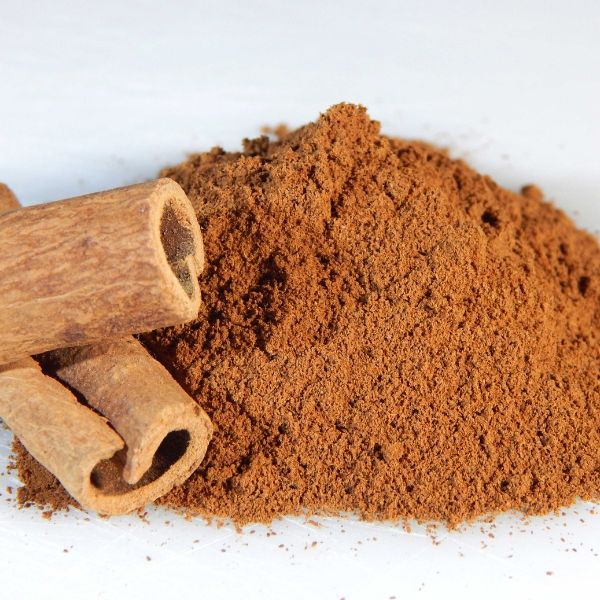
Cinnamon is a seasoning gotten from the inner bark of several tree species from the category Cinnamomum. Cinnamon is used primarily as a fragrant condiment and flavouring additive in a variety of foods, wonderful and savoury dishes, biscuits, breakfast cereals, junk food, bagels, teas, hot chocolate and traditional foods. The scent and flavour of cinnamon stem from its essential oil and major part, cinnamaldehyde, in addition to countless other constituents, including eugenol. Cinnamon is the name for a number of species of trees and the commercial spice products that several of them create. All are participants of the category Cinnamomum in the household Lauraceae. Just a few Cinnamomum varieties are expanded commercially for seasoning. Cinnamomum verum (additionally C. zeylanicum), referred to as "Ceylon cinnamon" after its beginnings in Sri Lanka (formerly Ceylon), is thought about to be "true cinnamon", but the majority of cinnamon in worldwide commerce is originated from four other species, generally and extra properly referred to as "cassia": C. burmanni (Indonesian cinnamon or Padang cassia), C. cassia (Chinese cinnamon or Chinese cassia), C. loureiroi (Saigon cinnamon or Vietnamese cassia), and the less typical C. citriodorum (Malabar cinnamon). In 2023, globe production of cinnamon was 238,403 tonnes, led by China with 39% of the overall.

.